Why Music And Movement Deserve A Bigger Place In Childhood
Children Need Opportunities To Move
Children are naturally energetic, although modern routines do not always give them enough opportunities to use that energy. Between school, homework, travel and screen time, much of the day can involve sitting still or following structured activities.
Regular movement is important for more than physical fitness. Running, jumping, dancing and playing games help children develop coordination, balance and confidence in what their bodies can do. Just as importantly, active play gives them a chance to relax and enjoy themselves without worrying about getting everything right.
Music Can Encourage Natural Expression
Music has a way of changing the atmosphere in a room. A familiar song can make children smile, encourage them to sing along or suddenly inspire a spontaneous dance routine.
For younger children especially, movement often comes naturally when they hear something they enjoy. They might clap along to a rhythm, copy actions from a song or invent their own movements. There does not need to be a formal dance routine or a particular set of steps.
These little moments give children an opportunity to express themselves in ways that do not always rely on words.
Dancing Helps Build Confidence
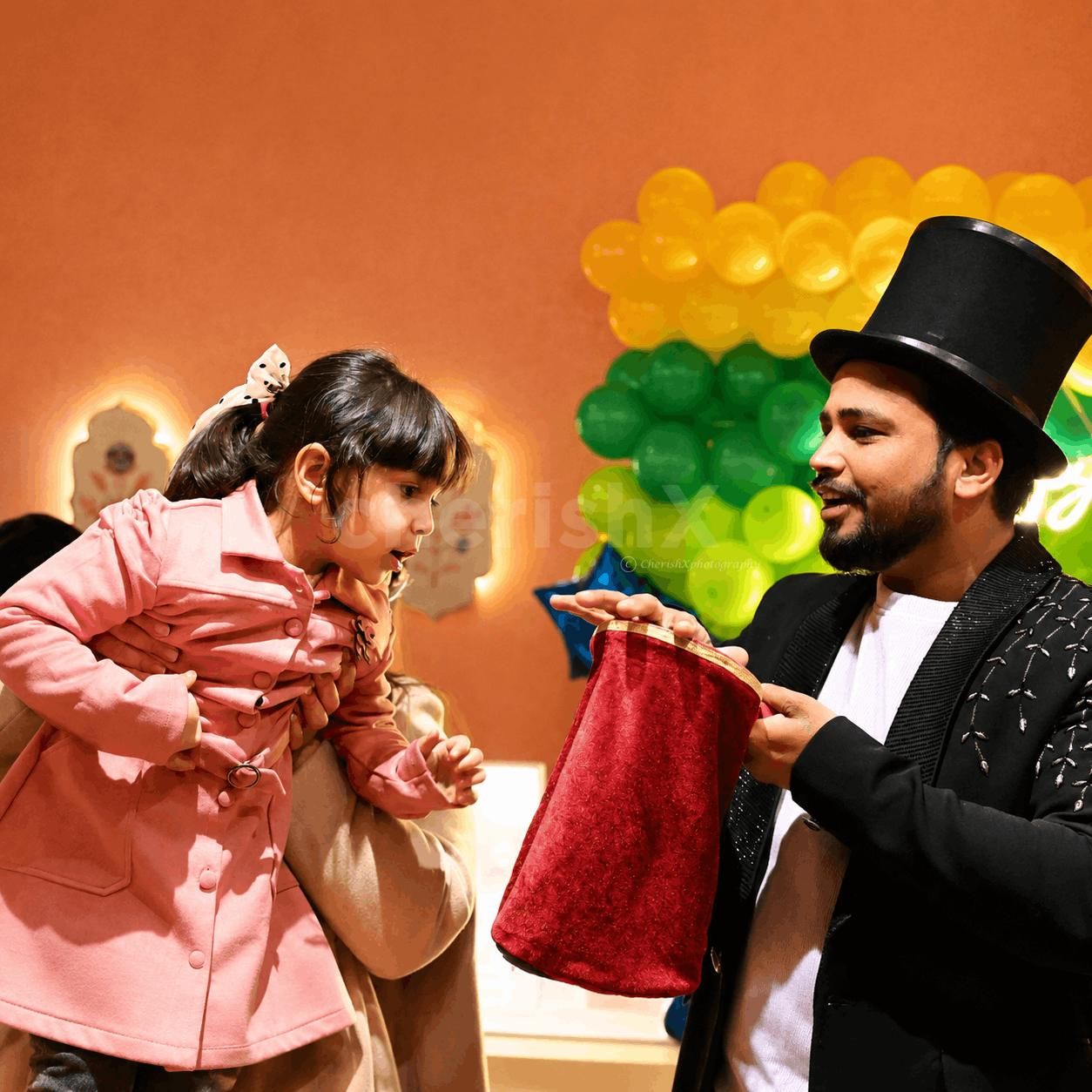
Not every child is comfortable performing in front of other people. Some will happily dance in the middle of a room, while others prefer to watch from the sidelines until they feel more confident.
Both approaches are perfectly normal. Activities such as a party disco for children can provide an enjoyable opportunity to experience music and movement alongside friends, without making participation feel like a test of dancing ability.
The important thing is creating an atmosphere where children feel comfortable joining in at their own pace. Sometimes simply seeing other children having fun is enough encouragement to get someone involved.
Music Creates Shared Experiences
There is also a social side to listening and dancing together. Children might recognise the same songs, sing familiar lyrics or laugh when somebody invents an unexpected dance move.
These shared experiences can help bring different personalities together. A child who is initially unsure about joining a group activity may find it easier to participate when everyone is doing something familiar.
Music can also cross age differences surprisingly well. Younger children may enjoy the rhythm and movement, while older ones recognise songs they already know and appreciate having some influence over what gets played.
Let Children Have A Say
One simple way to make music more engaging is to let children choose some of the songs themselves. Their preferences may be very different from the music adults would select, but that is part of the fun.
A shared playlist can introduce opportunities for conversation too. Children might recommend songs to one another, explain why they like a particular artist or discover that they enjoy something they had never heard before.
There is no need for every choice to be accepted, of course. Parents can still keep an eye on lyrics and suitability while giving children a reasonable amount of freedom.
Movement Does Not Have To Feel Like Exercise
Some children are reluctant to take part in organised sports or activities that involve competition. That does not mean they dislike being active.
Dancing, action songs, obstacle courses and simple movement games can all encourage physical activity without making it feel like exercise. There is no scoreboard, no requirement to be the fastest and no pressure to perform at a particular level.
This can be especially helpful for children who are still discovering which activities they enjoy.
Make Room For Quieter Moments Too
Although movement is important, children also need time to slow down. An afternoon filled with constant noise and activity can become tiring, particularly for younger guests or those who find busy environments overwhelming.
Alternating energetic activities with quieter opportunities gives children a chance to recharge. Music can still be part of these moments, whether it involves listening to something calmer, drawing or simply sitting with friends.
Let Enjoyment Be The Main Motivation
Children do not need to think about coordination, confidence or physical development every time they dance. Those benefits can happen naturally when they are having a good time.
Giving them regular opportunities to enjoy music, move freely and share experiences with others helps make activity a positive part of everyday life. Sometimes the best thing parents can do is put on a favourite song, step back and let the children take over the dance floor.